Pickleball Eye Injuries Rising!
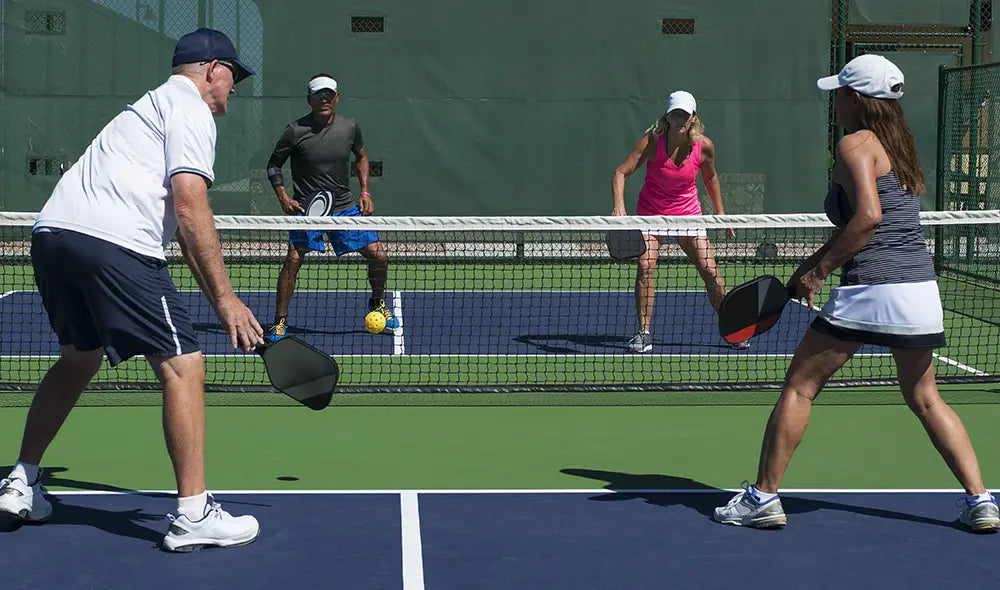
The entertaining game of Pickleball is exploding in popularity across the country. It blends tennis, ping-pong, and badminton elements, making it attractive to players of all ages. However, recent data and anecdotal evidence indicate that it is increasingly becoming a "contact sport," posing risks to players' faces and eyes.
A recent article from Gizmodo highlights a troubling trend: the number of eye injuries related to Pickleball has significantly increased in recent years. These injuries can be severe and include conditions such as retinal detachments, orbital fractures (broken eye sockets), and hyphema (bleeding in the eye). Each of these injuries has the potential to result in permanent vision loss.
These developments underscore the importance of safety: protective eyewear, such as safety glasses, should no longer be optional for pickleball players.
In this article, I examine the evidence, risks, and recommendations and argue that "safety glasses" should be considered standard equipment.
The Evidence: Eye Injuries Are Rising Fast
Surge in incidents
- A study published in JAMA Ophthalmology examined eye injuries related to Pickleball from 2021 to 2024, utilizing data from the National Electronic Injury Surveillance System (NEISS). The researchers estimated that, on a national level, the number of pickleball-related eye injuries increased by approximately 405 injuries per year. In 2024 alone, they estimated 1,262 eye injuries associated with Pickleball.
- Between 2005 and 2024, the dataset reviewed 2,472 pickleball-related injuries, of which 73 were eye injuries. When scaled to the national level, this amounts to over 3,100 eye injuries during that period.
These are not mere bumps or bruises; many were severe. Some cases involved orbital fractures or retinal detachment, while others had hyphema, which is bleeding in the front part of the eye.

Why are injuries rising?
Some contributing factors include:
- Pickleball is experiencing rapid growth. In 2024, approximately 19.8 million people in the U.S. participated in the sport.
- New or casual players may be more susceptible to accidents due to their inexperience with reflexes, court awareness, and safety habits.
- Age and vulnerability. Interestingly, about 70% of eye injuries in the study involved players aged 50 and older. Older players generally have slower reaction times.
- Rapid paddle development. The evolution of pickleball paddles is advancing rapidly. Manufacturers are using innovative materials and advanced construction methods to create lighter paddles that enhance power and increase spin on the ball. As a result, players have less time to react when a pickleball is hit toward them, as the ball travels faster than ever before.
- Lack of standardized safety protocols. There are no universally accepted guidelines for eye protection in Pickleball, whether for casual or professional players.
It is crucial to understand that playing without eye protection can be risky. Let's prioritize safety and make a conscious effort to wear appropriate eyewear for a safer experience!
The Risks You Run Without Eye Protection
Below are some of the specific hazards you face if you skip the safety glasses when playing:
- Direct hit from ball or paddle. A fast-moving pickleball or an errant swing can directly strike the eye, causing bruising, corneal abrasions, hyphema (bleeding), and retinal damage.
- Orbital trauma. Blunt force impacts around the eye from a ball, paddle, or collision. Fractured bones around the eye socket, dislocation, swelling.
- Retinal detachment/trauma to internal structures. A strong impact on the area around your eye can transfer force internally, potentially leading to vision loss, the need for surgery, or permanent damage.
- Secondary injuries due to falls/collisions. While scrambling to return a tough shot, players may fall or collide, causing trauma to the head and face.
- Psychological & quality-of-life cost. Even non-blinding injuries can cause pain, scarring, and ongoing impairment. Symptoms may include discomfort, dizziness, sensitivity to light, and reduced playing time.
While Pickleball may seem like a casual game, the potential for eye injuries is rapidly rising. With the advancement of paddle and ball technology, the speed of a pickleball can range from 30 to 50+ mph. When you add in the unpredictable nature of a whiffle ball, bounces off the netcord, and variations in player skill, it's no wonder Pickleball eye injuries are increasing.

Why Safety Glasses Are Important
Proper protective eyewear is not just about appearance; it is essential for safeguarding one of your most vital senses. Here's why:
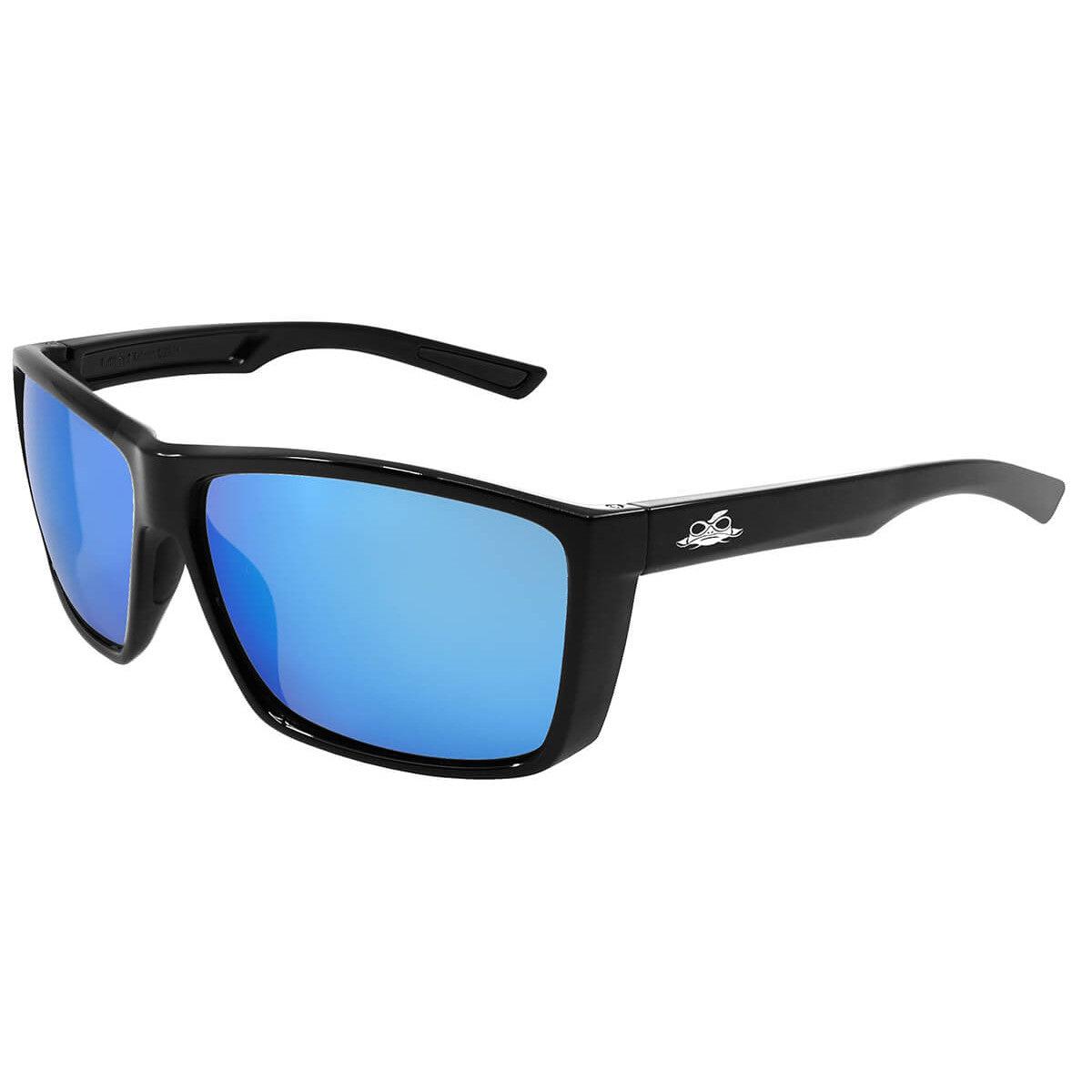
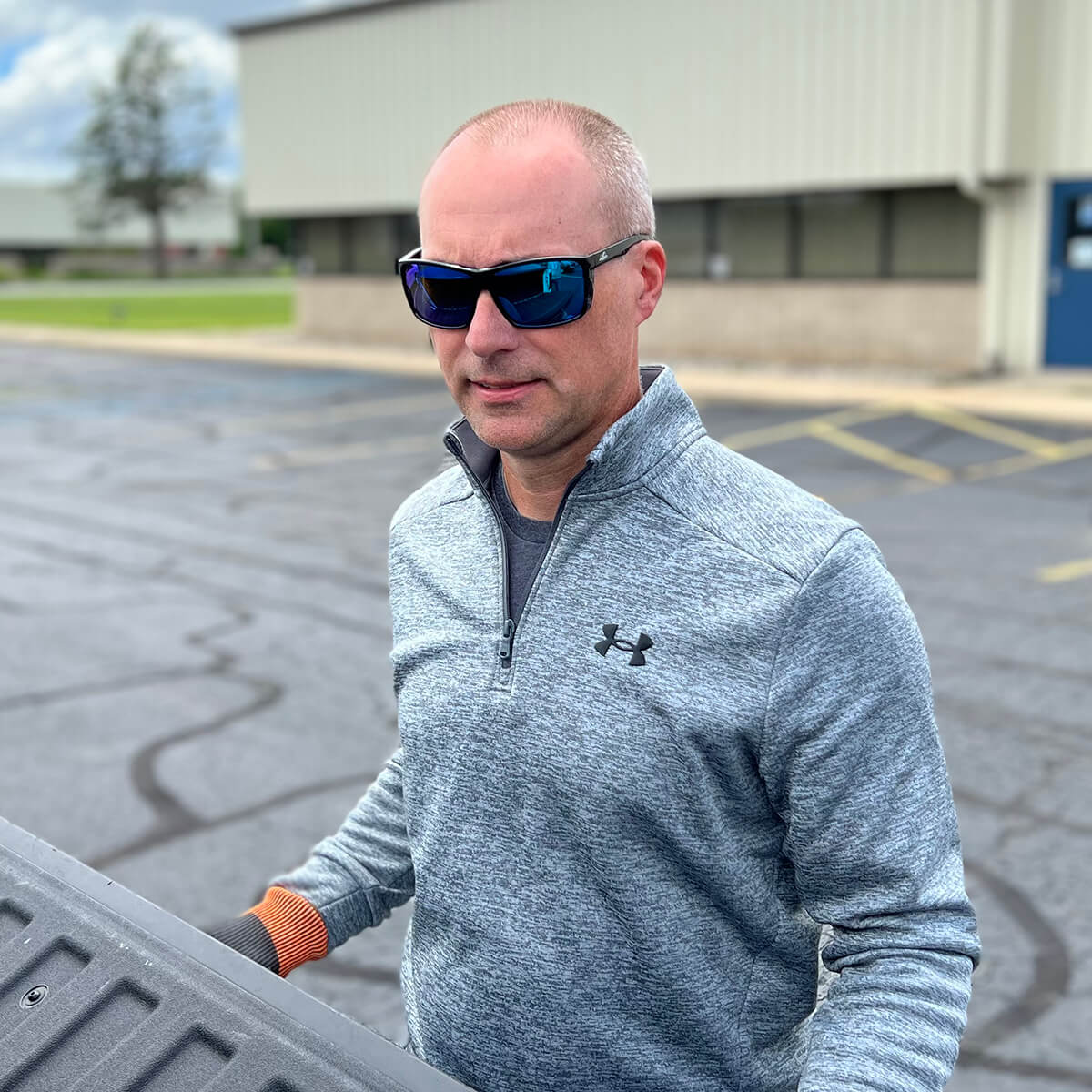
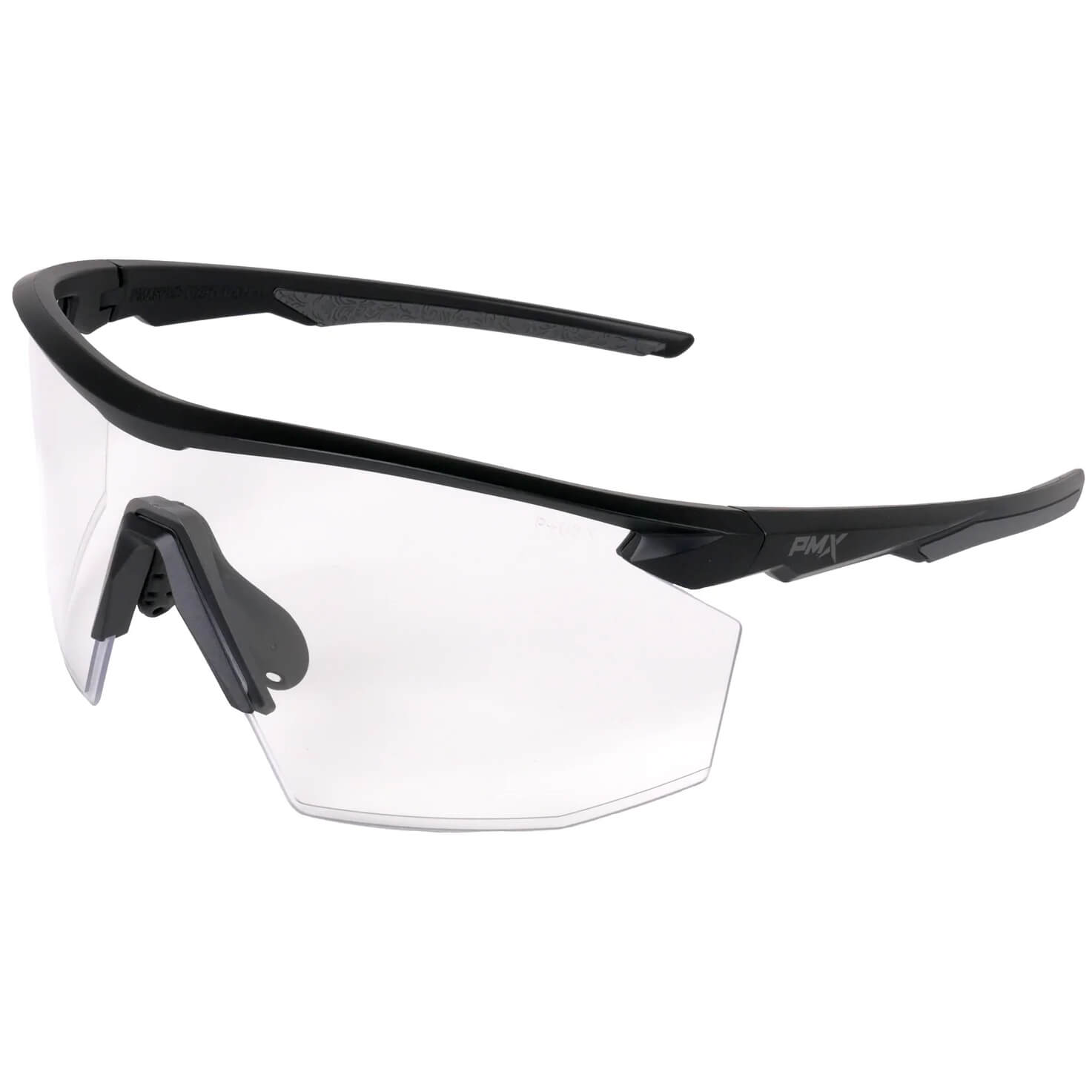
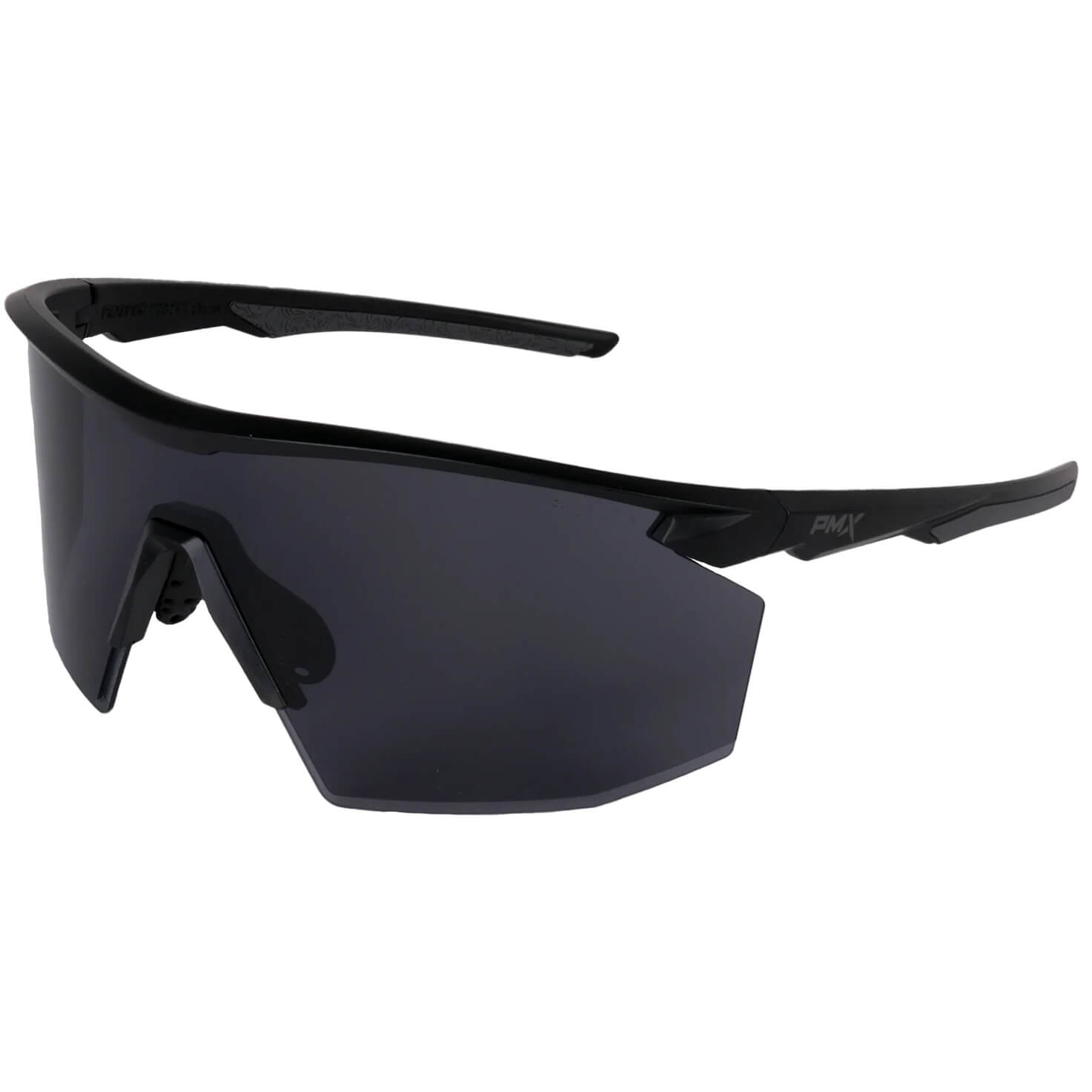
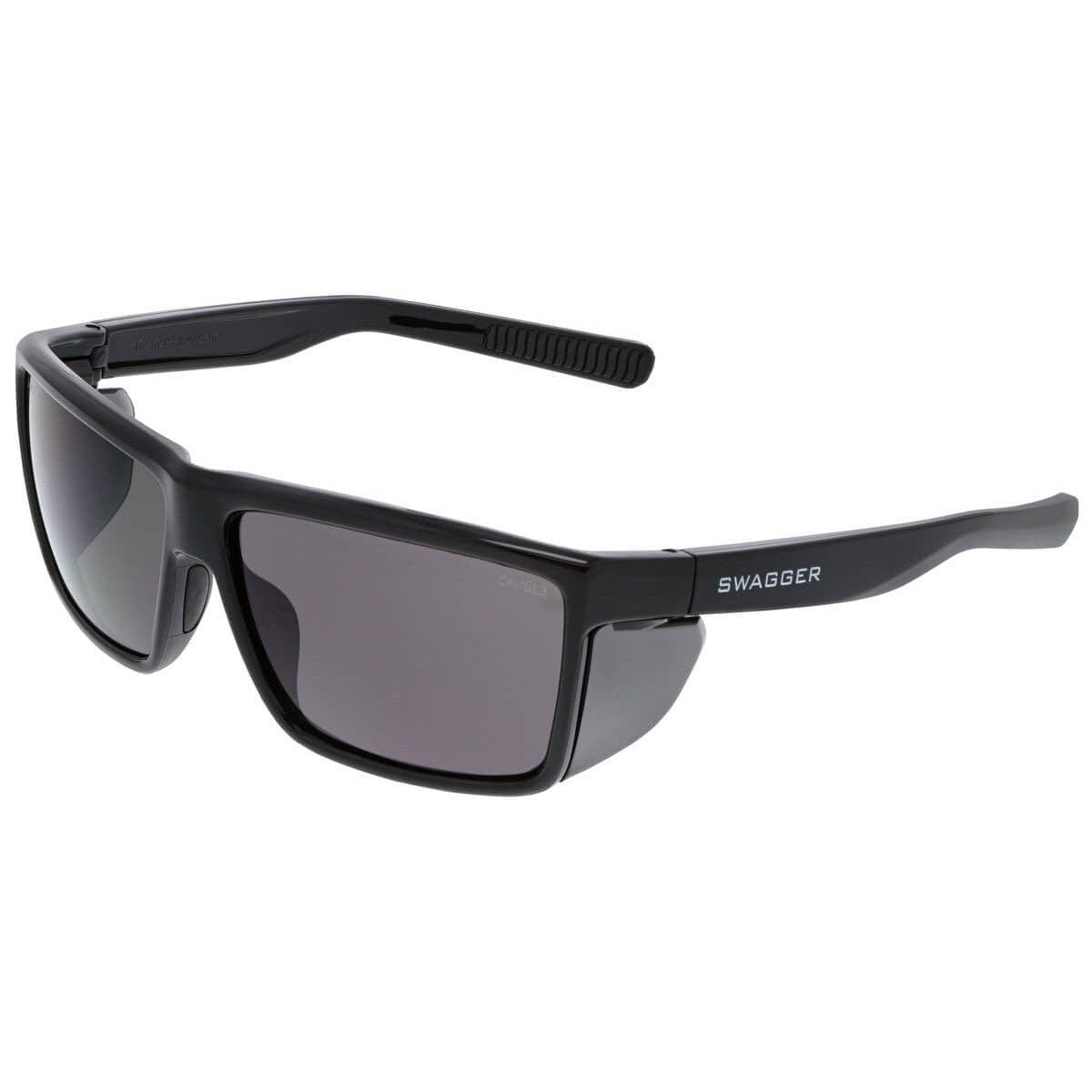
- Barrier against direct impact. Polycarbonate lenses with wraparound lenses/frames can protect you from an errant ball or paddle, distributing force away from vulnerable tissues.
- Minimize internal damage. Even if an impact occurs, protective eyewear reduces the force reaching the eye's internal structures.
- Shield from debris and sweat. Glasses also prevent sweat, dust, or small debris (like grit from courts) from irritating or scratching the eye during play.
- Promotes safe habits and culture. When eyewear becomes commonplace, it alters expectations. Instead of being an unusual accessory, safety glasses transform into essential gear for every match, similar to shoes, paddles, and proper attire.
- Affordable investment compared to medical costs. The cost of protecting your vision is minimal compared to emergency treatments, surgeries, or long-term vision loss.

Recommendations for Safe Pickleball Eyewear
Proper safety eyewear provides a balance of protection, comfort, and playability. Here are some tips:
- Polycarbonate lenses: This lens material is impact-resistant and much safer than ordinary plastic or glass lenses. Plus, polycarbonate naturally blocks 99.9% of harmful UV light!
- Wraparound or snug-fit frames: Block errant shots from the side that hit your eye. Think of those times a ball mishit by your partner barely missed the side of your head!
- Anti-fog / ventilation features: To reduce moisture accumulation and maintain visibility.
- UV protection: If playing outdoors, your safety eyewear can double as sunglasses. See polycarbonate lenses above.
- Durable scratch-resistant coatings: To maximize eyewear lifespan.
- Replacement strategy: If your safety glasses suffer a hard impact, get scratched or damaged, replace them. Don't "make do."
Advocate for implementing court or club rules requiring protective eyewear, particularly in competitive or high-traffic environments.
Closing Thoughts
The rapid rise in Pickleball's popularity promotes health, builds social connections, and boosts community engagement. However, a growing concern has emerged: as more players get involved, we notice a significant increase in eye injuries.
To safeguard everyone on the court, it's crucial to prioritize safety by wearing protective eyewear. Investing in a good pair of safety glasses is a small step that can offer invaluable peace of mind while you play.
Let's cultivate a culture prioritizing safety in Pickleball by making protective eyewear a standard part of every player's gear. This way, we can enjoy the game while minimizing risks and enhancing our overall experience! Now, get out there and have some fun! Zero, Zero, Two!