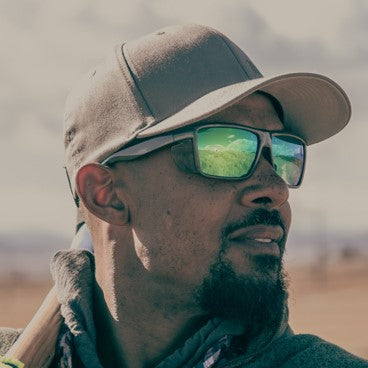
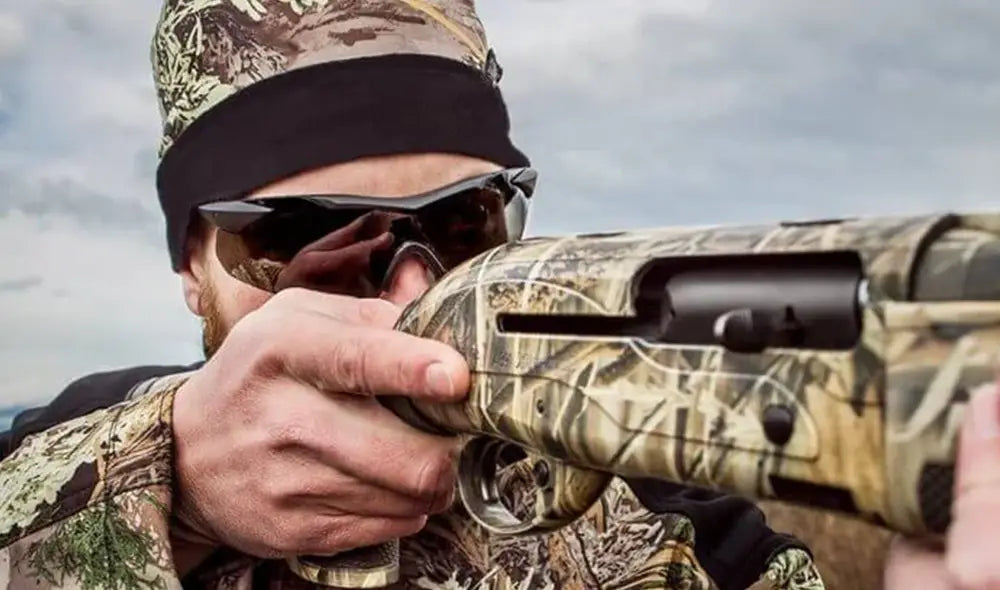
If you're an avid hunter or target shooter, you already know that proper eye protection is non-negotiable. Any time you handle a firearm, whether you're sighting in at the range or trekking through the field, your shooting glasses are just as essential as your firearm and hearing protection. Your eyes are irreplaceable, and the proper eyewear keeps them safe.
Why Protective Eyewear Matters in the Field
Hunting introduces hazards you won't always encounter at the range. Branches, briars, falling debris, and unexpected airborne debris are all part of the outdoor environment. Even a simple walk through thick brush can expose your eyes to sharp twigs at just the wrong angle. Protective shooting eyewear shields you from unpredictable dangers while helping you manage glare, enhance contrast, and stay visually sharp when an opportunity arises. Good eyewear doesn't just protect your vision; it enables you to perform better in the moment that counts.
Why Lens Color Matters
All the eyewear in our Shooting Glasses section meets ANSI Z87.1+ safety standards, so you're always protected. But the lens color can dramatically change how well you see your target. Different tints enhance contrast, improve depth perception, and help your eyes adapt to lighting conditions, all of which can make you a more confident and accurate shooter.
Let's take a closer look at the most common shooting lens colors and when they shine.

Popular Shooting Lens Colors (and When to Use Them)
Yellow / Orange Lenses
These bright tints filter out blue light, which helps cut through haze on cloudy days. They also make orange targets and clay pigeons pop, offering excellent contrast and improved depth perception. Great for overcast conditions and fast-moving targets.
Amber / Yellow Lenses
A favorite among many shooters, amber lenses also block blue light and bring out warm colors. They're ideal for low-light or cloudy conditions and help orange targets stand out even when the sky is dull. Think of them as a versatile "anytime except bright sun" option.
Purple / Blue Lenses
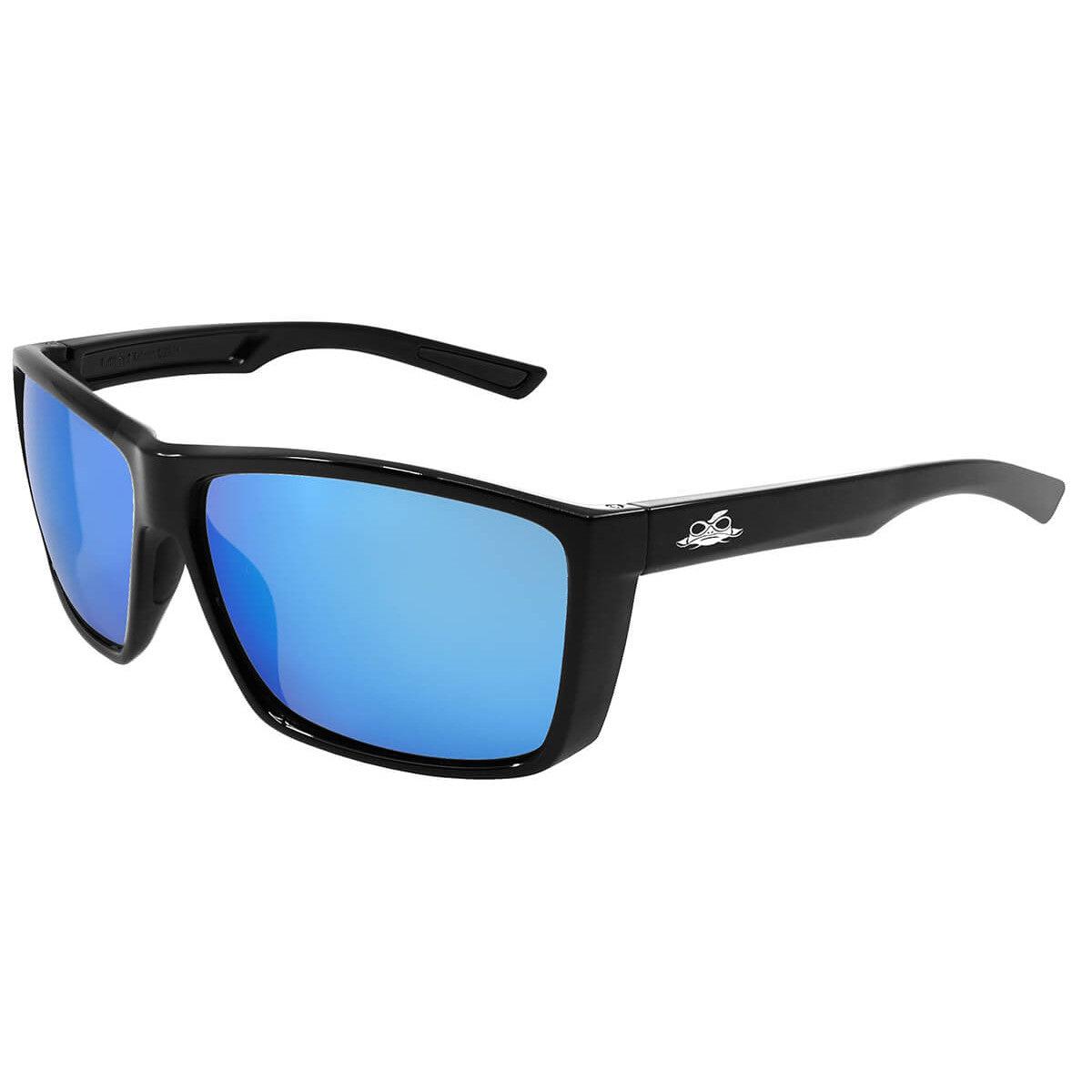
If your range is surrounded by green trees or grass, purple and blue lenses are your friends. They enhance contrast between green backgrounds and bright targets, helping your eyes lock onto what matters most. Perfect for wooded ranges or fields with abundant greenery.
Brown Lenses
Brown lenses boost contrast in bright, open environments, especially against red or orange targets. Many hunters appreciate their warm, soothing tone, which reduces eye strain and keeps you sharp during long days outdoors. Great for sunny fields or wide-open landscapes.
Gray Lenses
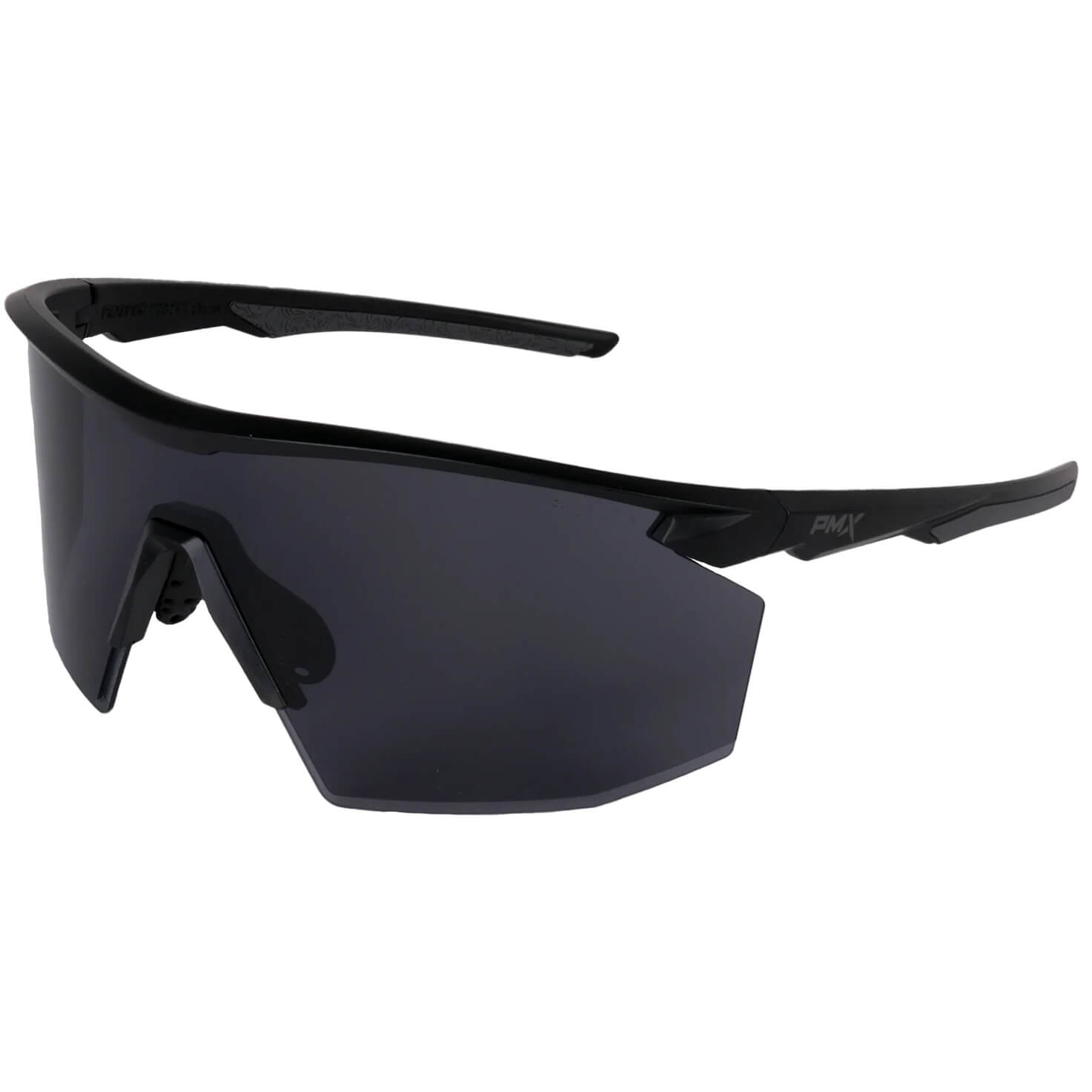
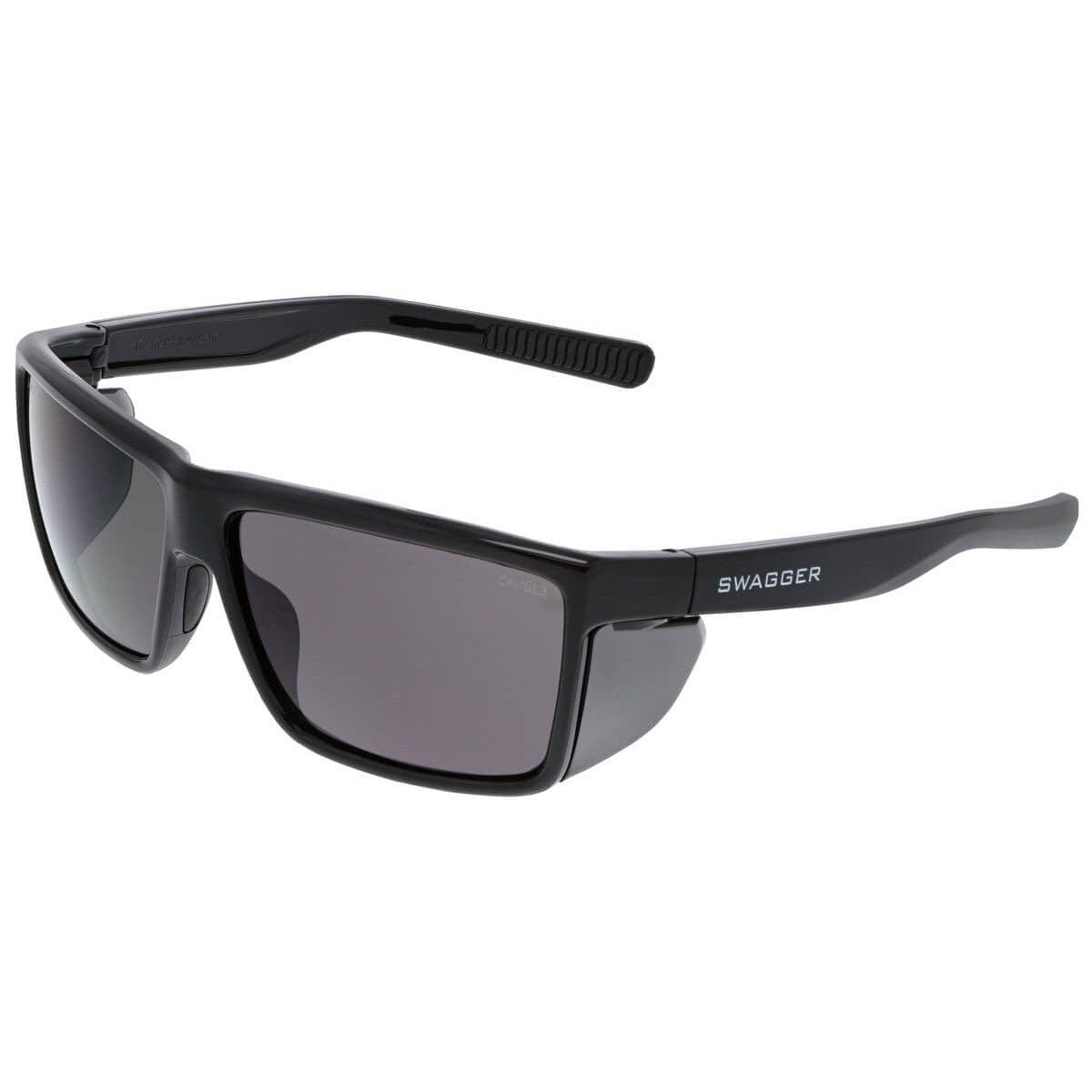
Gray is the all-around, no-nonsense option. It reduces overall brightness without distorting colors, making it ideal for bright, sunny conditions. Gray lenses also help reduce fatigue from harsh sunlight, perfect for all-day sessions at the range.

Best Lens Colors for Spotting Game (Deer & Turkey)
For Deer
Deer often blend into brown, tan, and gray environments. To help them stand out:
- Amber or Brown Lenses – Enhance contrast against brush, timber, and fall foliage, helping you spot movement or outlines more easily.
- Copper / Rose-Brown Variants – Boost red and brown tones, helping you distinguish a deer's coat from shadows or leaf litter.
For Turkey
Turkeys rely heavily on shadows and dark plumage to stay hidden. To enhance visibility:
- Purple or Blue Lenses – Separate dark birds from green vegetation, making them easier to see in fields and wooded areas.
- Amber Lenses – Helpful on cloudy mornings or in low-light conditions by improving contrast on the forest floor.
In both cases, the right tint enhances contrast, helping you spot animals faster and more clearly.
Choosing the Right Lens for You
Lens color can directly influence how well you see in the field or at the range, which in turn affects your accuracy. The "best" tint is the one that matches your typical shooting environment and feels comfortable for your eyes.
Every shooter eventually discovers the lens color that clicks for them. Pay attention to the lighting, weather, and landscape where you shoot. Try different tints and see how each one affects your sight picture.
And once you've found your favorite, we'd love to hear about it! Share your go-to lens color and why it works for you in the comments below.